
Moana
Fauna and Flora
(Our Comprehensive Guide to Whale Watching and Excursion Tips
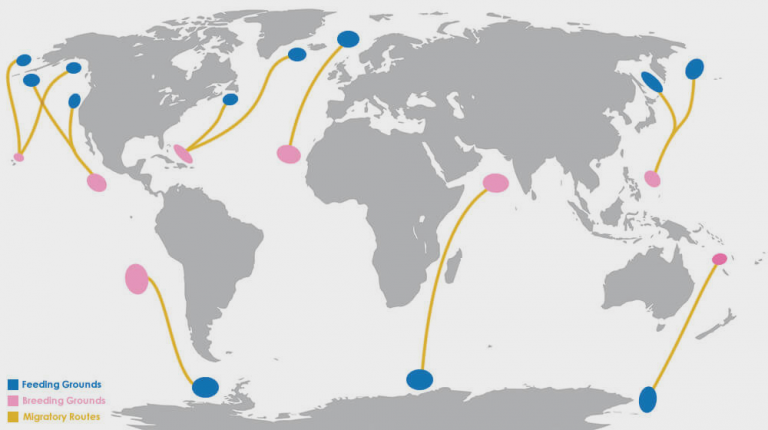
Every year, approximately 2,000 humpback whales converge upon Tahiti and her islands. From July to October, they depart the frigid Antarctic waters to fill the Polynesian archipelagos with their wondrous songs and powerful breaches, leaving a trail of magic in their wake. For a few short months, these whales pursue a dual mission: to mate and to give birth in the warm, tranquil waters of the Pacific.
Your mission, should you choose to accept it? To dive into the heart of one of the most sensational and moving ballets you will ever witness, all while enjoying observation conditions that are privileged—and indeed, unique in the world. Imagine, for a moment: thirty tons of grace, power, and mystery gazing at you with an eye the size of your head; a column of pure blue water hundreds of meters deep beneath your fins; and the haunting song of the males serving as the soundtrack to your waking dream. This encounter feels surreal. One thing is certain: you are not prepared for this otherworldly face-to-face encounter with a humpback whale and her calf. No one ever is.
Nevertheless, we have compiled everything you need to know in this article before you take the plunge into the "big blue" to see for yourself. So—where, when, and why should you observe the fascinating humpback whale during your trip to Tahiti? Grab your fins, mask, and snorkel: dive in! At the end of this guide, discover our five essential tips to ensure your encounter becomes a defining highlight of your Polynesian journey.
What if the starting point of your Tahitian journey was the center of a humpback whale’s eye? It may sound surprising, I grant you. I myself was highly skeptical the first time I heard talk of cetaceans in warm Polynesian waters. A humpback whale in the Tahiti lagoon? Preposterous! I was wrong. Every year, hundreds of humpback whales reach the reefs of French Polynesia between July and October. And YES, they alone justify placing Tahiti and her islands at the very top of your list for your next holiday destination.
French Polynesia is, in fact, the world’s largest sanctuary for cetaceans and sharks, with nearly five million square kilometers of protected ocean. Whaling has been prohibited here since the 1986 moratorium, and all species of whales and sharks now swim in total peace. In 2025, the regulations governing whale watching were further strengthened to guarantee the tranquility of these marine mammals. The whales must have spread the word: every year, they return in great numbers to breed and give birth in the warm Polynesian waters.
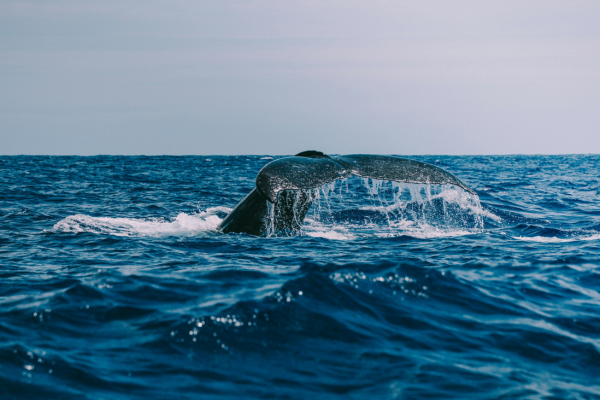
And "warm" is no exaggeration! There are few places in the world that allow for the observation of humpback whales in water that is at least 26°C. The image of a massive whale tail silhouetted against a backdrop of lush volcanic slopes will be the final argument you need: you are in the right place, at the right time.
When faced with the frequent and delicate question of the ideal time to visit Tahiti and her islands, a clever response is: "Just follow the humpback whale migrations; they never get it wrong!" While the first whales are often spotted around May from the cliffs of Rurutu in the Austral Islands, the official whale season begins on July 20th and extends until November 20th. This provides an excellent window for planning your trip.
Fortunately, the humpback whales have the good taste to invite you to French Polynesia during the heart of the dry season. If you have the luxury of visiting in September or October (outside of school holidays), conditions are often less windy, making your time in the water more comfortable and your observations even more memorable. Outside of these official dates, whale watching is strictly prohibited, and the whales are generally scarce or absent.
Polynesian authorities issue licenses to a very limited number of operators and only around specific islands. Consequently, you may only enter the water around Tahiti, Moorea, Tetiaroa, Huahine, Raiatea, Taha’a, Bora Bora, Rurutu, and Tubuai. Whether you prefer a private excursion or a small group, you can trust your Moana Voyages consultant to direct you to one of our expert whale-watching partners.
Our personal favorites? * Bora Bora: Where observation boats are fewer in number and the chances of an encounter remain high. As a bonus, the dolphins in the pass have a flair for showmanship and often come to splash you upon your return to the lagoon.
The Tahiti Peninsula (Tahiti Iti): If you are staying on the main island for a few days, prioritize the "Presqu'île." It offers the whales a magnificent, secluded setting where they love to lounge.
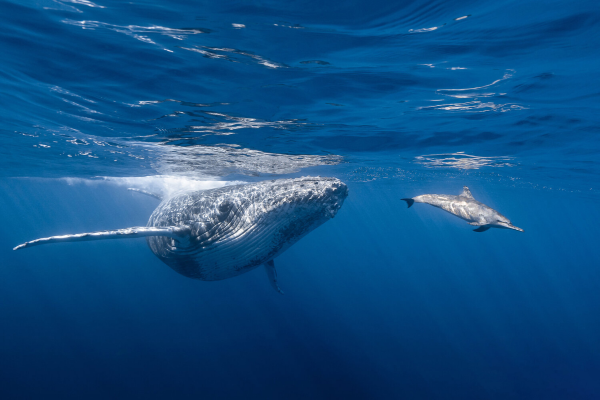
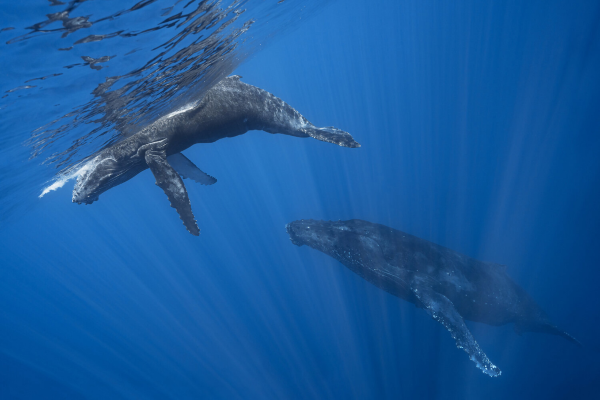
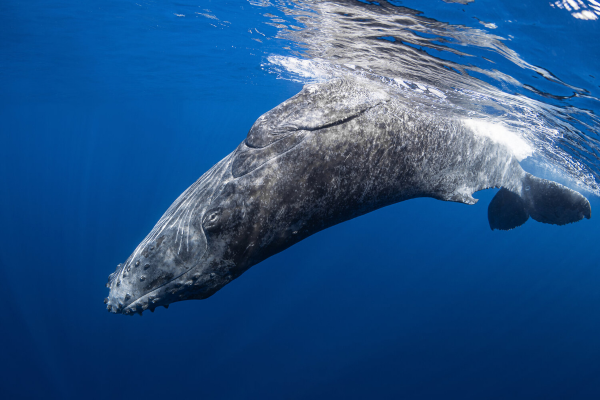
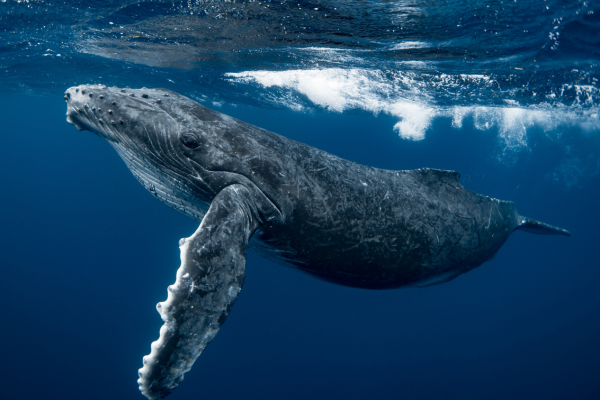
A "Weight Loss" Destination... During their 4 to 5-month stay in Polynesian waters, humpback whales can lose up to a third of their body weight—roughly 10 tons! This is because these warm waters are very poor in krill, and because females are nursing their young while adhering to a most frugal diet themselves.
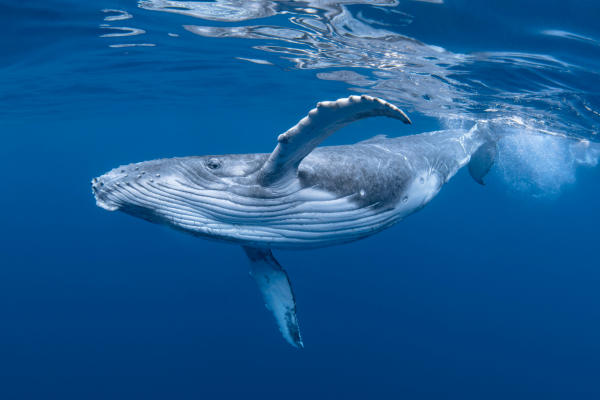
Nursing Time Many females come to the Polynesian archipelagos to give birth. The season is largely devoted to nursing, which is no easy feat for the mother! Each day, a calf can ingest up to 200 liters of milk and gain as much as 45 kg.
"Eye Contact": Myth or Reality? "Eye contact" describes that often-fleeting moment when the whale’s giant eye meets yours. While exceptional, this interaction can truly happen during your excursion. It brings a strange and profound sense of connection, shared humanity, and consciousness that is sure to leave a lasting mark on your soul.
